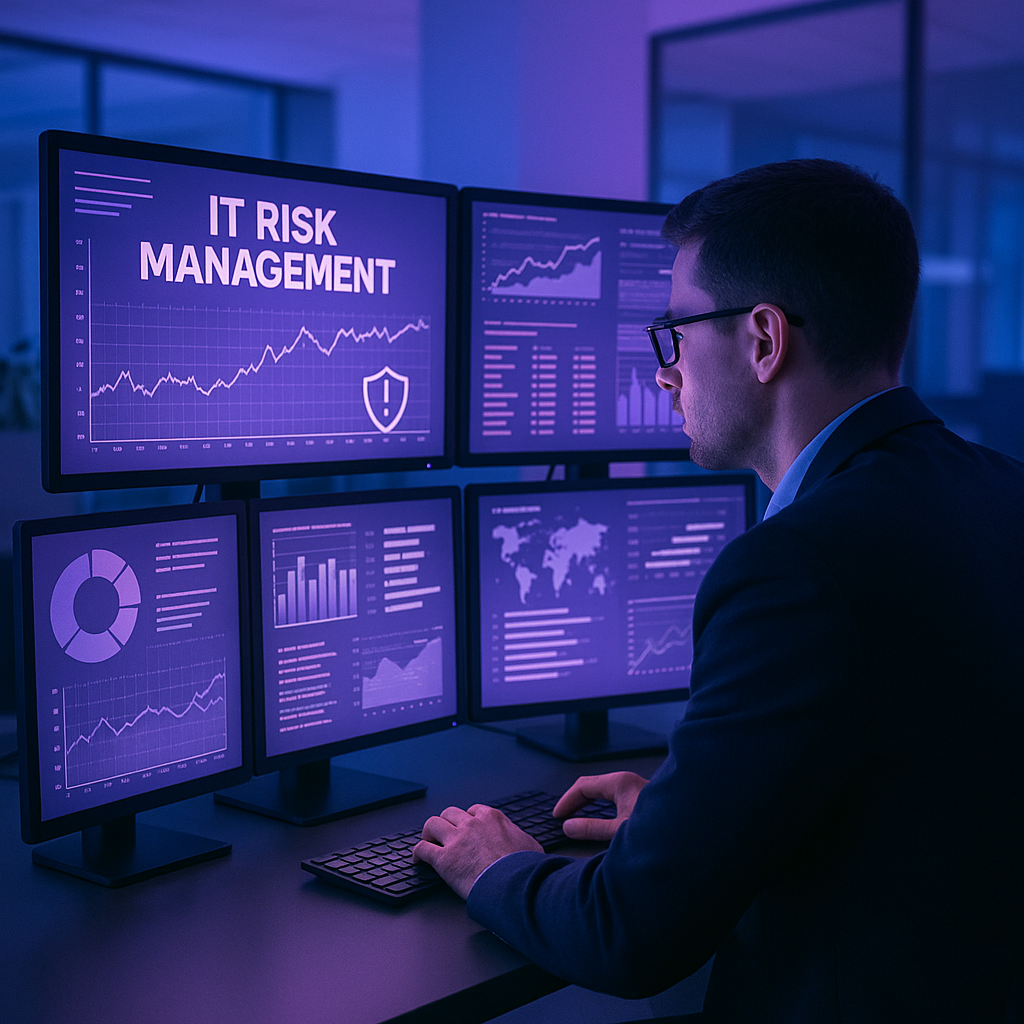
Are you curious about what it’s actually like to immerse yourself in the world of risk management? The CRISC (Certified in Risk and Information Systems Control) certification is not just a title; it’s a transformative stamp of expertise. As India's first pay-after-pass CRISC program, there's no upfront fee—you invest only when you achieve certification. Picture yourself, armed with this credential, stepping into the bustling IT corridors of India’s leading firms. Let’s unpack a day in the life of a CRISC certified professional and see how this credential shapes real work responsibilities.
Morning: Strategic Briefings and Team Syncs
Start your day early. After brewing your favorite cup of chai, you step into a day filled with analytical rigor.
In most organizations, the morning kicks off with a strategic briefing. Here’s what you typically do:
- Review recent risk assessments.
- Analyze potential threat vectors affecting your organization’s IT landscape.
- Collaborate with cross-functional teams to prioritize risk management objectives.
Your role involves understanding the company’s strategic goals and ensuring risk management practices align with these objectives—crucial for safeguarding assets and reputation in a competitive market.
Mid-Morning: Risk Assessment Workshops
Later, you’ll lead workshops focusing on risk assessment.
These workshops play a pivotal role in identifying, assessing, and mitigating IT risks.
- Engage with stakeholders to draw insights.
- Utilize risk assessment frameworks built into the CRISC curriculum, such as the NIST framework.
- Document findings and recommend actionable strategies to bridge gaps.
You’ll find that your CRISC training helps you make strong, evidence-based recommendations, drawing on best practices recognized globally.
Lunch: Networking and Knowledge Sharing
Lunch isn’t just about food; it’s also about sharing insights.
Whether you’re hosting a lunch-and-learn session or attending an industry meetup, networking opportunities abound. You’ll often discuss recent trends in risk management, industry challenges, and innovative solutions with fellow professionals.
Staying updated while collaborating fosters a dynamic learning environment—a crucial benefit of being CRISC certified.
Afternoon: Monitoring Controls and Continuous Improvement
Post-lunch hours are often spent fine-tuning risk controls and compliance measures.
Typical tasks include:
- Reviewing and analyzing current risk control measures in IT systems.
- Identifying weaknesses or redundancies in existing protocols.
- Adapting processes based on the risk landscape, regulatory changes, and technological advancements.
You’re not just a control monitor; you’re a change-maker. As businesses grow, you’ll find yourself driving initiatives that ensure IT resilience and compliance. Your CRISC credential empowers you to implement cutting-edge solutions.
Late Afternoon: Reporting and Stakeholder Updates
As the day winds down, you’re expected to compile reports summarizing your findings.
- Communicate effectively with senior management and board members.
- Use data visualization tools to present complex information clearly.
- Provide updates on risk management efficiency and ongoing initiatives.
Here’s where your strategic insight meets communication skills. The CRISC equips you not just with technical knowledge but with the ability to relay critical information to non-technical stakeholders, playing a vital role in organizational decision-making.
Evening: Reflecting and Learning
After clocking out, the day doesn’t quite end. Most CRISC professionals engage in continuous learning. Whether it’s enrolling in workshops, pursuing additional certifications, or keeping abreast of industry news, this drive fuels growth.
This blend of responsibilities and continuous improvement is why the CRISC certification proves invaluable. It expands your career growth while enhancing your organization’s IT security stance.