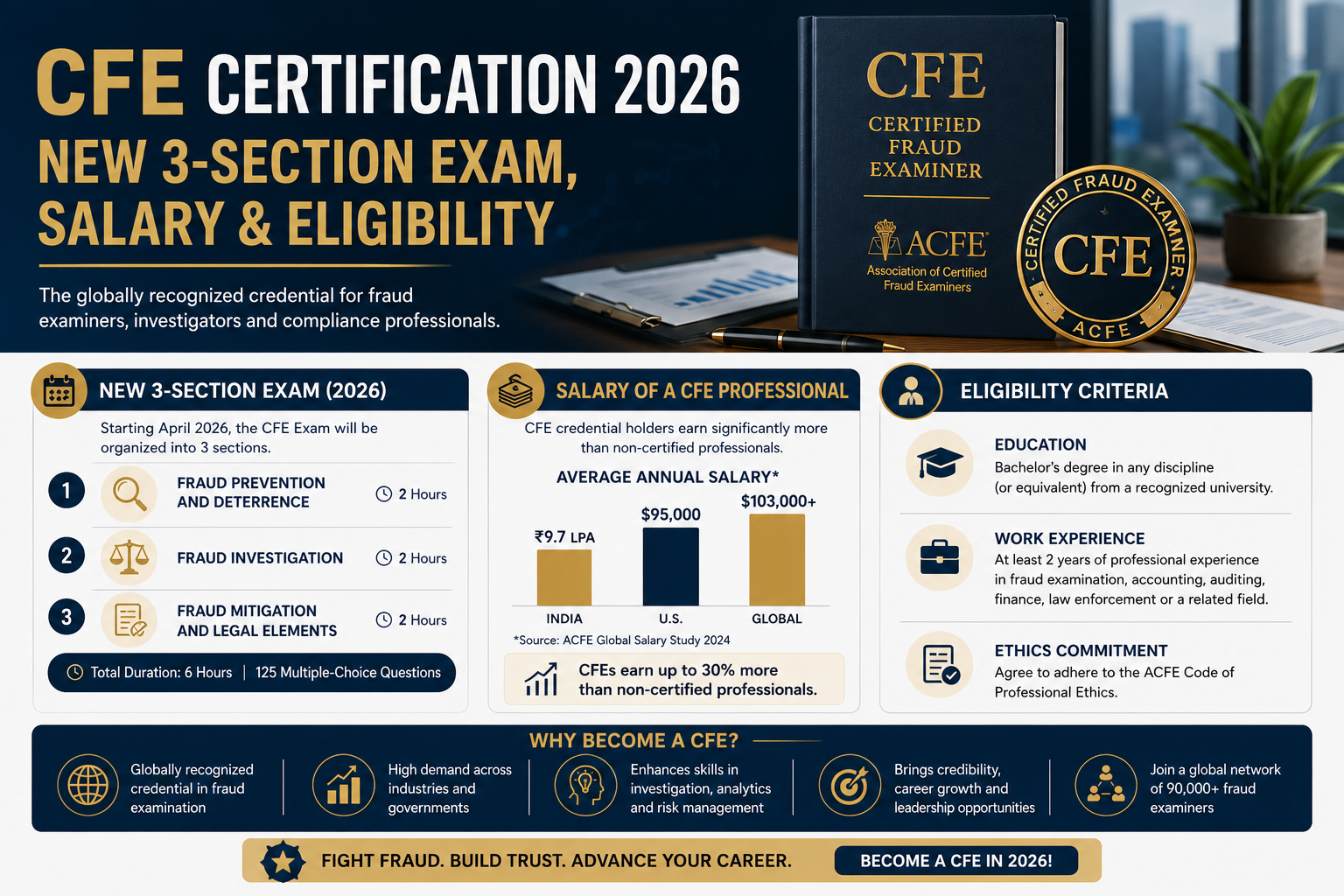
Embarking on the journey to become a Certified Fraud Examiner (CFE) can feel like a steep climb, especially for newcomers. But here's the kicker—many aspiring CFEs trip on the same stones along the path. By pinpointing and addressing these common mistakes, you'll set yourself up for success, and in India's evolving job market, your hard work could pay off immensely.
Ignoring the Importance of the Study Schedule
Many candidates dive into CFE preparation without a structured study plan. This can lead to disorganization and last-minute panic.
What to Do Instead:
- Create a detailed study schedule right after enrolling.
- Allocate specific hours each day to cover different topics.
- Balance study hours with practice tests to reinforce learning.
Remember, the CFE certification requires around 35 study hours, so strategize your time wisely.

Overlooking Available Resources
It's easy to underestimate the wealth of resources that can support your preparation—this is a mistake that can cost you dearly.
What to Do Instead:
- Utilize the materials provided by ACFE, including study guides and webinars.
- Consider joining study groups or online forums to gain different perspectives.
- Don't shy away from reaching out to mentors if you're enrolled in the pay-after-pass model like inSAKE Academy offers.
Underestimating the Importance of Practice Exams
Practice exams can feel like an inconvenience when you're busy absorbing material but skipping them is a recipe for failure. Candidates who neglect this often find themselves blindsided on exam day.
What to Do Instead:
- Schedule regular practice exams to gauge your understanding and readiness.
- Use them to identify weak areas needing more focus.
- Aim for a mix of question types to familiarize yourself with the exam format.
Failing to Understand the Exam Format
Walking into the exam without knowing what to expect can make even the best-prepared candidates crumble. The CFE exam has a specific format that many overlook until it’s too late.
What to Do Instead:
- Research the exam structure and types of questions—multiple choice, scenario-based, etc.
- Review candidate experiences and testimonials for insights.
- Familiarize yourself with exam time limits and strategies for managing them effectively.
Neglecting Mental and Physical Health
In the grind of exam preparation, mental and physical health often take a back seat. Candidates mistakenly think that pushing through exhaustion will increase productivity.
What to Do Instead:
- Build breaks into your study schedule to recharge.
- Exercise regularly to keep your mind sharp and focused.
- Practice relaxation techniques to reduce anxiety as the exam date approaches.