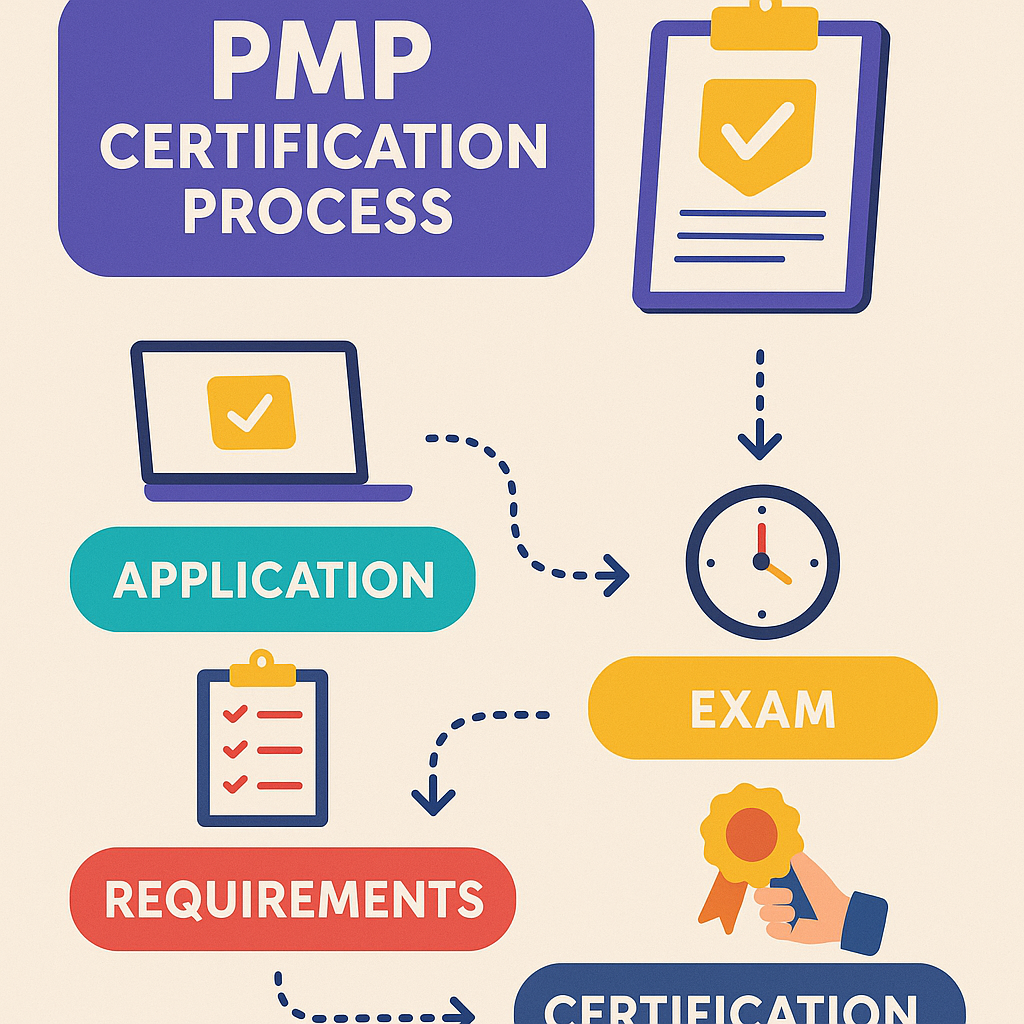
As you consider advancing your career in project management, you’re likely weighing the value of earning your PMP certification. It’s not just a line on your CV; it can be a game-changer in your career trajectory.
Understanding the PMP Role
What does a typical day look like for someone with a PMP certification? It's a blend of strategic planning, team coordination, and agile adjustments, all aimed at steering projects toward successful completion. In India, where project management skills are in high demand, a PMP credential can lead to roles with salaries ranging from INR 12-20 lakhs per annum.
Morning: Setting the Stage
Most project managers start their day by reviewing project statuses. They check emails and messages to catch up on progress and roadblocks. Here's what that entails:
- Daily Stand-ups: Quick meetings to align with the team, summarize previous day's achievements, and address immediate challenges.
- Client Communication: Regular check-ins to inject clarity and align expectations.
- Resource Allocation: Assessing team bandwidth and project needs to adjust the workload effectively.
A PMP certification equips you with effective communication skills and agile methodologies, crucial to navigating these tasks efficiently.

Midday: The Core Responsibilities
After the initial updates, the core responsibilities kick in. This is when certified professionals leverage their skills to tackle various tasks:
Project Planning and Execution
- Developing Project Plans: Outlining the project scope, timelines, and resource requirements aligned with the PMBOK 8 standards.
- Risk Management: Identifying potential risks and structuring plans to mitigate them while ensuring project continuity.
- Budget Management: Monitoring financial performance against project costs, ensuring adherence to budgets.
Team Collaboration
- Facilitating Collaboration Tools: Using software like Trello, Jira, or Microsoft Project to manage tasks effectively.
- Mentoring Team Members: Guiding less experienced colleagues through project challenges enhances team performance and fosters professional growth.
Quality Control
- Regular Audits: Ensuring deliverables meet the project specifications and quality standards.
- Soliciting Feedback: Frequent checks and balances with stakeholders to make necessary adjustments promptly.
Afternoon: Stakeholder Engagement
Once the core project work is underway, engaging with stakeholders becomes vital. The focus shifts to:
- Progress Updates: Reporting to upper management and clients about the status of the project, anticipations, and the next steps.
- Negotiating Changes: Adjusting project scope or timelines based on stakeholder input—skills developed through PMI training.
- Collecting Insights: Gathering feedback to refine processes and strategies in real-time.
Late Afternoon: Continuous Improvement
As the day winds down, a PMP-certified project manager reflects on the day’s work. Engaging in continuous learning is a necessity in the dynamic field of project management:
- Retrospectives: Running through what succeeded and what needs improvement in the project process.
- Planning for Tomorrow: Setting objectives for the next day and ensuring all tasks are on track.
The process isn't merely a checklist; it's about building relationships, guiding teams, and driving projects to become successful endeavors.