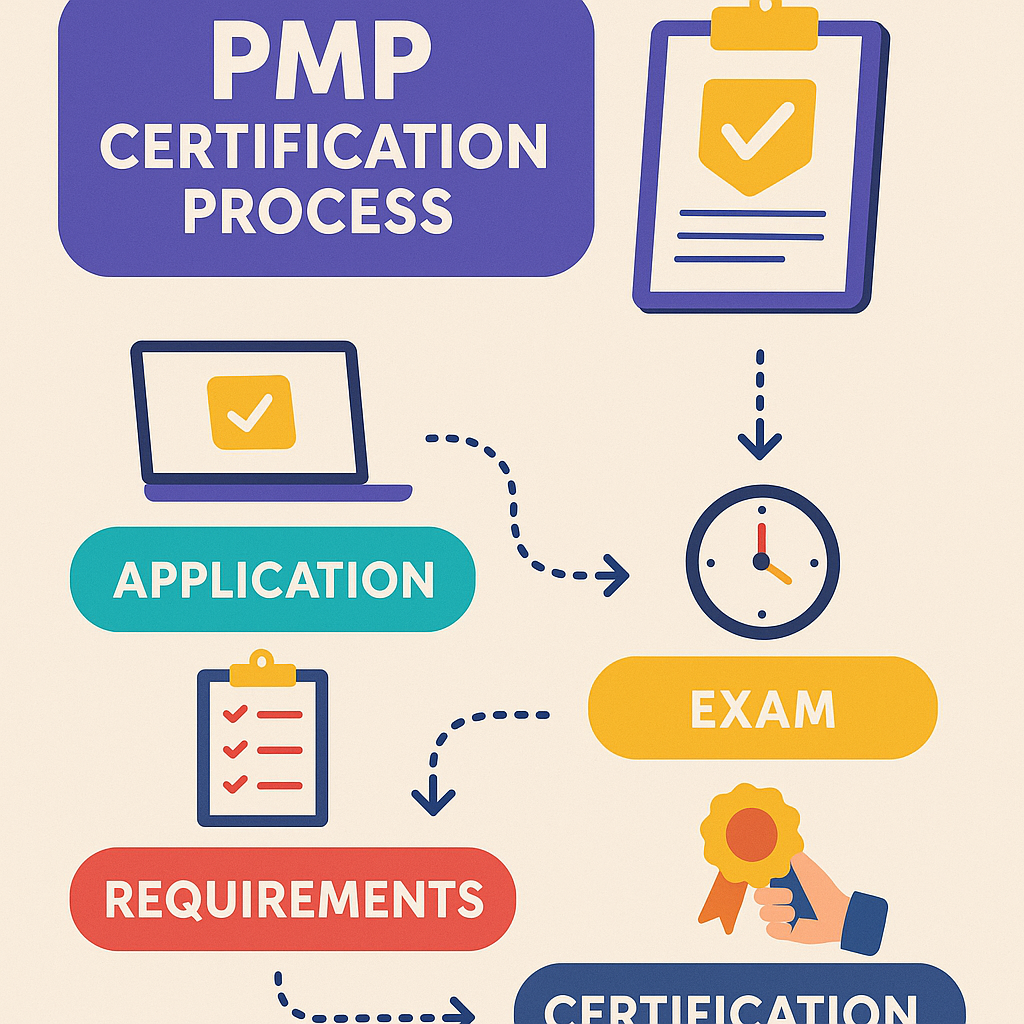
Are you ready to amplify your project management career without the financial burden of upfront fees? Introducing inSAKE Academy's groundbreaking PMP Certification Program—the first of its kind in India that allows you to pay only after you pass.
Why PMP Certification Matters
Every project manager knows the value of a PMP certification. It's recognized worldwide and can significantly enhance your employability. In India, where skilled project managers are in high demand, this certification serves as a badge of credibility, demonstrating your expertise.
- Global recognition: PMP is acknowledged in various industries around the globe.
- Higher salary potential: According to the PMI, PMP-certified project managers earn an average salary of 23% more than their non-certified peers.
- Career advancement: Opens doors to leadership roles in project management.
How Does Our Course Stand Out?
Unlike conventional certification programs, this course incorporates a pay-after-pass fee model. This means zero upfront costs. You invest your time in studying—35 hours of rigorous training based on the PMBOK Guide 8th Edition and its upcoming 2026 version—without the stress of financial commitments.
Imagine preparing for the PMP exam with no initial fees. You focus purely on learning and mastery without the worry of immediate financial return. Now, let’s see how this stacks up against other programs.
Comparing to Alternatives
Potential learners often find themselves torn between PMP and similar project management certifications. Let’s compare it to the PRINCE2 certification and CAPM.
PMP vs. PRINCE2:
- Recognition: While both are recognized, PMP has a broader international standing compared to PRINCE2, which is often favored in Europe.
- Content Focus: PMP covers predictive, agile, and hybrid methodologies, while PRINCE2 is more focused on a structured project approach.
- Cost Structure: PRINCE2 often requires upfront payment.
PMP vs. CAPM:
- Target Audience: CAPM is designed for entry-level professionals; PMP requires experience.
- Depth of Knowledge: PMP dives deeper into complex project management scenarios.
- Career Impact: PMP opens more doors to managerial roles compared to CAPM.
Pick This If...
- You want a globally recognized certification.
- You already have project management experience and want to elevate your role.
- You're looking for a course with no upfront costs, allowing you to learn without financial risk.