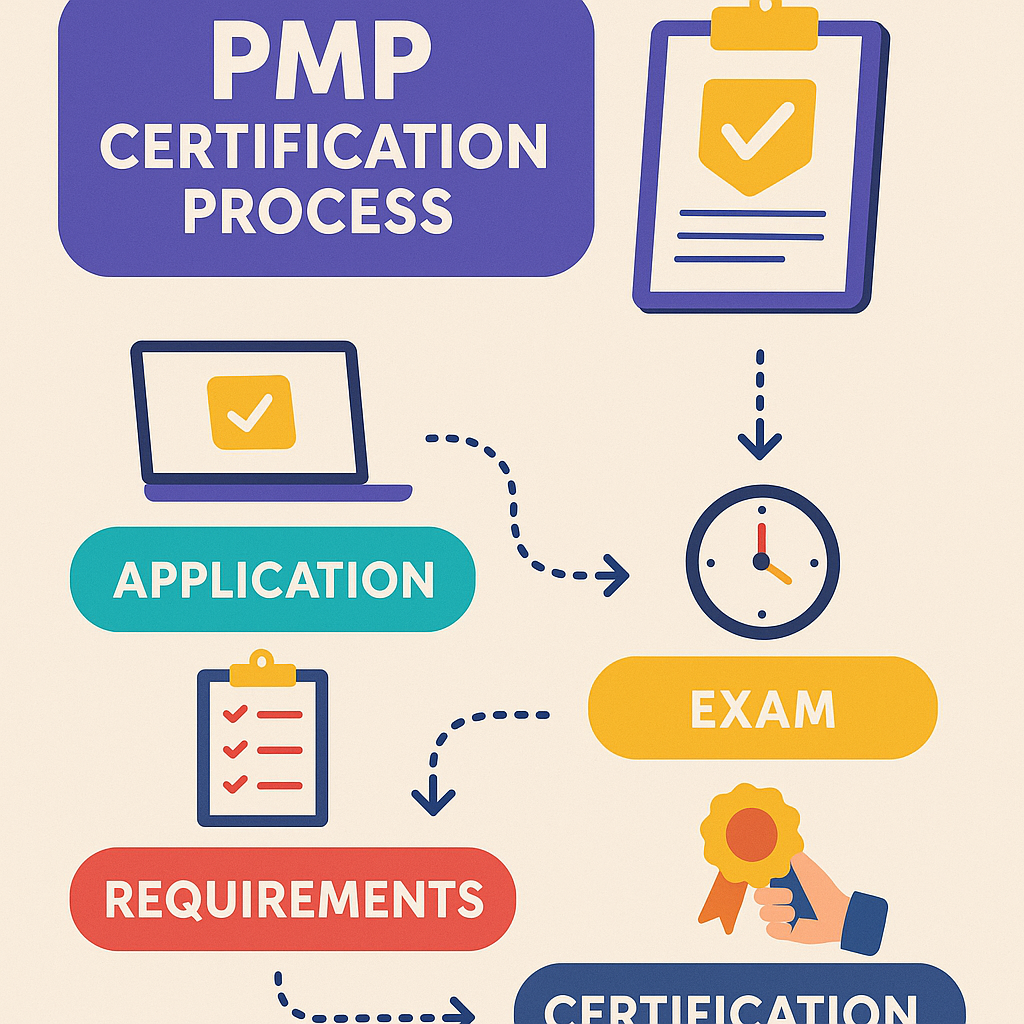
Vikram sat through his annual performance review at a mid-tier Bengaluru tech firm, staring at a modest 8% raise. For nearly four years, he had quietly steered complex cloud migration projects worth over ₹3 Crore, handled tight client deadlines, and managed cross-functional squads of engineers. Yet, whenever senior Delivery Manager positions opened up—roles commandingly paired with packages upwards of ₹28 LPA—the requirement was always the same: a formal PMP credential certified by PMI.
The obstacle wasn't a lack of drive; it was financial and personal risk. Standard training institutes across India routinely demanded ₹35,000 to ₹50,000 upfront just for exam prep, offering zero guarantees of success. Between managing 50-hour workweeks, handling production bugs, and maintaining family commitments, the prospect of sinking hard-earned money into a prep course only to potentially fail the notoriously tricky exam felt like an unnecessary gamble.
The Turning Point: Zero Upfront Risk and PMBOK 8 Alignment
The breakthrough happened when a colleague shared inSAKE Academy’s Pay-After-Pass PMP Program. The premise was revolutionary for the Indian upskilling landscape: zero upfront tuition fee. Trainees only pay the course fee once they successfully clear the official PMP exam.
This complete alignment of incentives removed Vikram's hesitation immediately. What stood out even more was the updated curriculum, built from the ground up around the PMBOK Guide 8th Edition and aligned directly with the 2026 exam blueprint.
The learning plan eliminated fluff, focusing entirely on practical frameworks that Vikram could immediately apply to his daily work:
- Hybrid Delivery Command: Seamlessly combining waterfall compliance required by enterprise clients with agile execution for internal engineering teams.
- Tailored Governance Models: Structuring risk assessment, stakeholder communications, and scope control to prevent margin erosion.
- 2026 Exam Pattern Mastery: Practicing situational, scenario-driven exam questions under realistic timed conditions.
How 35 Structured Hours Transformed His Workday
Rather than attempting to memorize massive reference books late at night, Vikram followed inSAKE’s structured 35-hour learning track. The platform broke down complex domain concepts into digestible, 45-minute daily modules that fit easily into his routine during commutes and lunch breaks.
Mentors with deep industry experience guided him through tricky situational questions—specifically focusing on team performance, conflict resolution, and procurement strategies. After four weeks of targeted preparation and three simulated mock exams, Vikram scheduled his test. He walked out of the exam center with a top-percentile "Above Target" rating across all domain areas.
The Payoff: Elevating Position and Pay Grade
The career return on his 35-hour investment was fast and transformative. Within 60 days of updating his credentials:
- Executive Visibility: He was assigned lead responsibility for an enterprise account worth over ₹12 Crore.
- Massive Salary Upgrade: He secured a senior management role at a global consulting firm, moving from ₹18 LPA to ₹29 LPA.
- Industry Recognition: Positioned as a certified authority capable of steering cross-border hybrid initiatives.
If you have been holding back your career growth due to exam uncertainty or high training costs, it is time to change the equation. With inSAKE Academy’s Pay-After-Pass model, the risk is completely off your shoulders. Master the PMBOK 8 framework, pass the 2026 exam on your first attempt, and claim the senior leadership role you deserve.